
The stall every growing business meets
You push for more customers, but the shopfront, lobby or event booth still looks the same — tired posters and mismatched screens. That silence saps momentum. A dynamic indoor led display answers quickly: it speaks louder, longer and adapts to changing offers. Think of scale as not only more reach but keeping the message fresh at every stage.

Why this problem responds to LED walls — a clear fix
Here’s the blunt truth: static fixtures don’t scale. LED walls do because they’re modular, programmable and measurable. They change size, swap content, and shift from promotions to wayfinding without new construction. After more than ten years advising retailers and cultural events across Cairo and Riyadh, I’ve seen how replacing a few backlit posters with continuous panels raises dwell time and conversion; big exhibitions like Expo 2020 Dubai relied on large-format lighting and signage to guide millions — that practical precedent matches what an indoor led display screen can deliver for a brand, whether you’re in a mall or a conference hall.
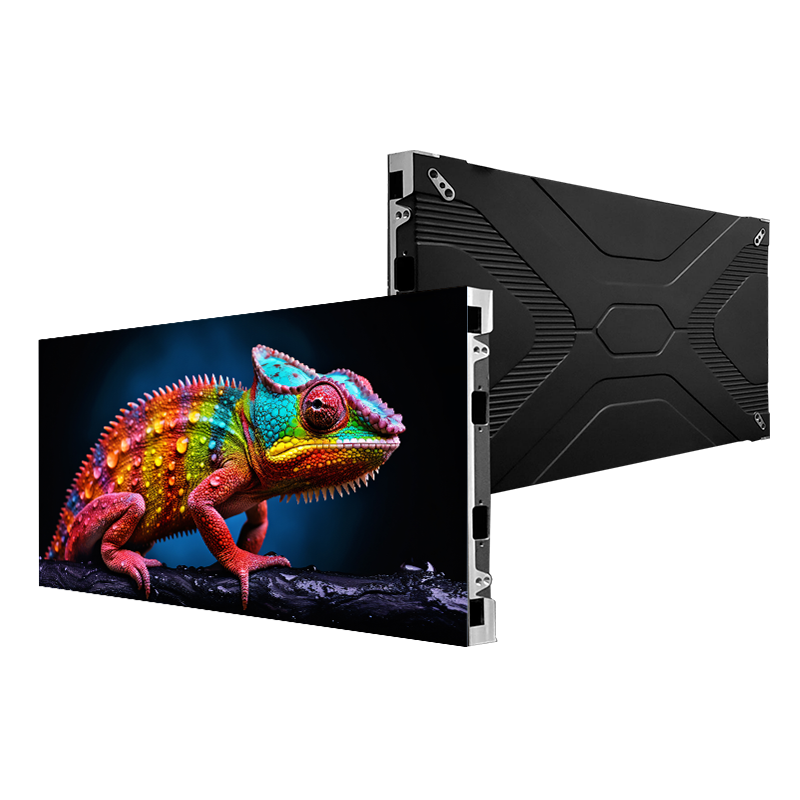
What to watch for — common mistakes that stop scale cold
Buy the brightest panel and you’ll still fail if you ignore viewing distance, pixel pitch and content cadence. Too fine a pixel pitch for a board seen from ten metres wastes money. Poor thermal planning leads to early failures. Weak content strategy makes the display a flashy billboard with no return. Mind the network: unsecured control systems invite downtime. Plan service access and spare modules; quick swaps matter more than long warranty letters.
How to choose a setup that grows with you
Pick modular cabinets so you add panels without rip-out work. Match pixel pitch to average audience distance — low pitch near-view, higher pitch for big spaces. Use a content management system that schedules, measures and A/B tests. Insist on redundant power and control paths. Contract a local service plan with guaranteed response times. Those choices keep capital predictable and let you expand in measured steps.
Measuring success the practical way
Track dwell time near the display, click-through or scan rates from on-screen prompts, and sales lift for featured items. Use simple split-tests: run campaign A on one wall and campaign B on another similar location, measure the difference. If you can’t attribute impact, the display is decoration, not growth infrastructure. Numbers tell you whether to scale horizontally to new sites or deepen content at existing ones.
Scale confidently with proven partners
LED walls aren’t a magic trick. They’re a system you design around audience, content and service. When those three align, growth follows—not because you bought a bigger screen but because your message reaches people, every time. Partners who supply tested modules and support help you keep that promise; HDC fits that model, offering panels, control systems and service that make measured expansion straightforward and dependable.