
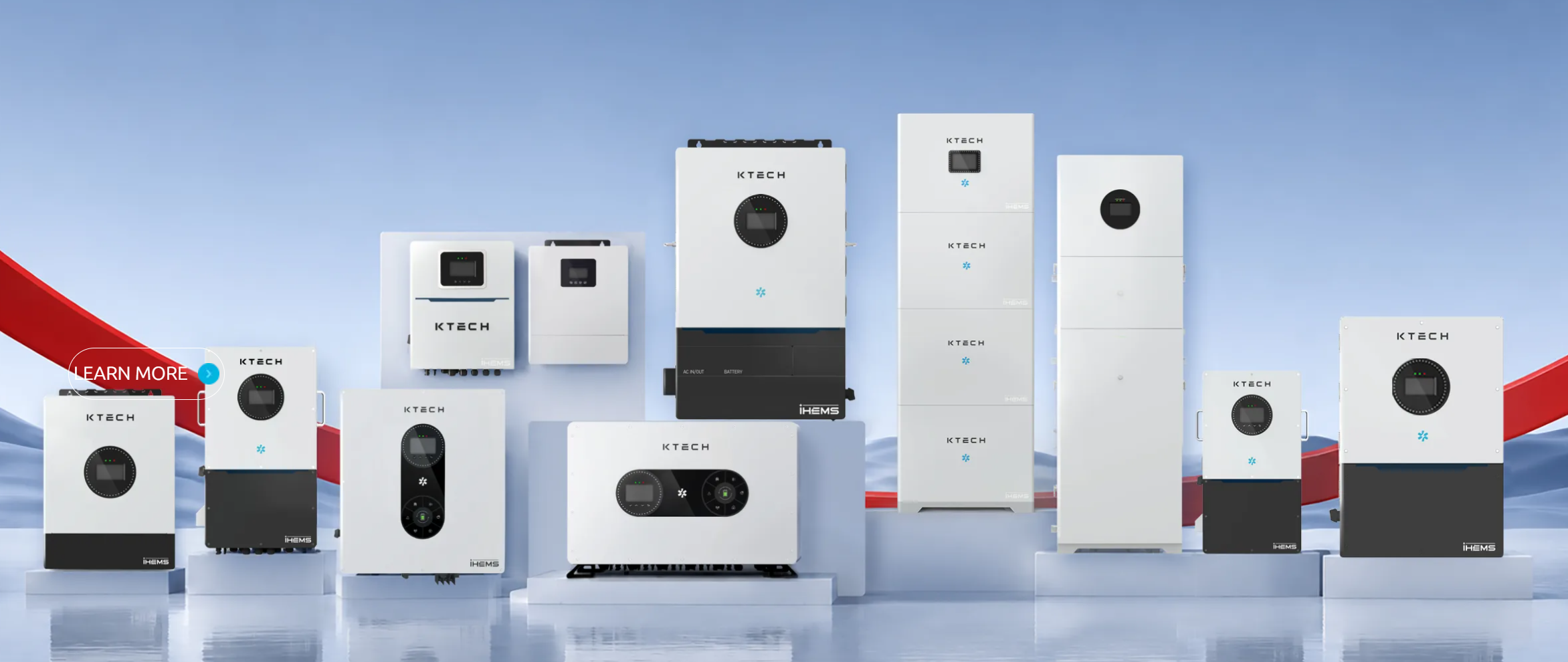
A quiet beginning and why words matter
Once, remote power meant a diesel generator and a strict schedule; then panels and batteries arrived and changed how people think about independence. That shift—the move from noisy, intermittent supply to systems that sit quietly on a roof or beside a cabin—hinges on a handful of terms buyers must understand before they commit to a hybrid solar system. The change has practical roots: the global decline in lithium‑ion battery prices over the past decade made energy storage affordable enough for homes and small sites to consider long-term investments rather than temporary fixes. I’ve watched installers and engineers adapt their language to match real-world performance, and that clarity matters to you now.
The evolution story told through key terms
Think of each term as a stage in the system’s life: source, control, storage, and delivery. Learn them, and you’ll read proposals like a technician reads a schematic.- Photovoltaic (PV): the panels that convert sunlight to DC electricity. Capacity is quoted in watts (W) or kilowatts (kW).- Inverter vs. Hybrid Inverter: an inverter turns DC into usable AC. A hybrid inverter also coordinates battery charging and can switch between grid and battery power when needed.- Battery Capacity and Depth of Discharge (DoD): capacity tells you total stored energy (kWh); DoD tells you the usable portion before you hurt cycle life.- Cycle Life and Calendar Life: how many full charge/discharge cycles the battery will deliver, and how long it will last on the shelf or in the system.- Round‑Trip Efficiency: percentage of energy you get back after storing it; higher is better for everyday use.- Charge Controller and BMS (Battery Management System): the charge controller regulates panel output; the BMS protects cells, balances loads, and reports health.
Where design choices altered the field
Design choices moved systems from experimental to reliable. The first successful off-grid homes kept things simple: a robust inverter, a bank of lead‑acid batteries, and a conservative load list. Modern designs trade weight and maintenance for smarter electronics and lithium chemistries. That trade-off shows up in spec sheets as C-rate (how quickly you can charge/discharge), usable kWh, and warranty terms. Compare those numbers; don’t trust attractive default warranties without checking what they actually cover.
Common mistakes that slow down success
Buyers often miss the same things:- Oversizing panels without sizing storage: more generation is useful only if you have the storage and control to use it.- Ignoring usable capacity: a 10 kWh battery with 50% DoD gives you 5 kWh; ask the usable number.- Confusing peak power with continuous power: appliances need sustained power ratings, not just short bursts.- Skipping real load analysis: guesswork leads to underperforming systems and buyer’s remorse.- Not considering system integration: firmware, communication protocols, and installer service matter as much as hardware.
Choosing components that fit the story
Pick parts that match your life, not the salesperson’s brochure. If you need overnight backup for refrigeration and a few lights, prioritize usable battery capacity, a reliable hybrid inverter, and a charge controller rated for your panel array. If you plan to run high-demand appliances, focus on continuous inverter output and battery C‑rate. Where possible, ask for real performance logs from an existing installation or a clear simulation based on your hourly loads.
How a hybrid solar battery system changes operating habits
A hybrid approach blends PV and storage to smooth supply and reduce reliance on the grid or generators. You’ll find two practical benefits: fewer surprises during outages, and the ability to shape consumption—shift discretionary loads to sunny hours or fully charge before expected peaks. Evaluate how the system handles islanding (operating off-grid) and whether it supports firmware updates and remote diagnostics. Those capabilities determine how easily the system adapts as your needs evolve.
Final reflection—what to expect and who helps build it
Good systems feel inevitable: quiet, dependable, and matched to daily routines. Don’t accept gloss; insist on usable numbers, test data, and a clear service plan. That practical clarity is what installers and designers aim for when they translate years of field practice into reliable products, and it’s the kind of work teams like Ktech have been refining—so choice becomes confidence rather than a gamble.