

Start with the user: define what success looks like for your floor
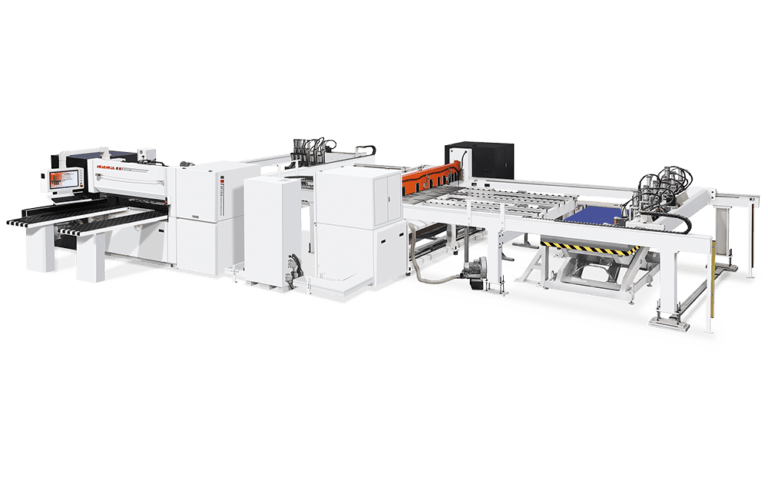
Choose a machine by matching outcomes, not specs. If your priority is consistent panel throughput and repeatable edge quality, a good cnc panel saw with reliable NC control and stable feed rate gives predictable results. List the daily outputs you need (sheets per shift, typical panel sizes) and the acceptable cutting tolerance in millimeters — these targets will guide which features actually matter.

Map tasks to features; don’t buy the fanciest unit
Break down the tasks your crew performs: crosscuts, rip cuts, nested cabinet parts, or occasional resawing. For high-volume nesting you’ll value fast feed speed, automated rip fence, and robust dust extraction. For occasional curved or resaw work, a dedicated wood band saw still makes sense — it complements the panel saw rather than replaces it. Focus on operational match: servo motor sizing for consistent torque, blade tension systems for blade life, and software that integrates with your CNC nesting files.
Common mistakes shops make — and practical fixes
Shops often chase top horsepower or lowest price instead of total cost of use. Avoid that trap by factoring in tooling life, maintenance intervals, and operator training hours. Undervaluing dust extraction leads to filter changes and downtime — budget for a graded extraction system up front. Skimping on training creates errors; plan structured onboarding and short skill-checks for operators. — Small habits on the floor compound into big time losses if neglected.
Vendor evaluation: service, parts, and local experience
Local support matters more than glossy brochures. Confirm lead times for spare parts and ask about on-site service windows. Real-world anchor: the 2020–2021 supply interruptions showed which vendors could sustain parts and remote diagnostics during disruption, and which could not. Prefer vendors that document service SLAs and publish real install references from nearby regions — that makes warranty response tangible. Check if the vendor’s controls accept your CAD/CAM output and whether remote diagnostics or firmware updates are included.
Cost drivers beyond purchase price
Calculate running costs: electricity draw at typical feed speeds, consumable blade schedules, and expected downtime for blade changes or calibration. Include a simple throughput calculation: boards per hour multiplied by yield per board gives daily throughput — then model how a change in feed rate or fewer blade changes improves net output. Track cutting tolerance trends after routine maintenance; that’s a leading indicator of whether your chosen machine stays within spec.
Three golden rules for choosing the right automated panel saw
1) Throughput predictability — Measure achievable boards per shift under normal staffing. A machine that promises faster cycle time but requires frequent adjustments won’t raise daily output.
2) Cut accuracy and stability — Verify the machine holds your needed cutting tolerance after 100 cycles. Ask for documented test cuts and runtime tolerance graphs from similar installations.
3) Support and uptime — Look for a vendor commitment to spare-part availability and remote troubleshooting, and quantify expected uptime as a percentage over 12 months. Prefer vendors with local technicians or clear escalation channels.
Summing up: map your tasks, quantify targets, and choose a machine that meets those metrics with predictable service. For many shops that means an honest assessment of feed speed, dust extraction, and software compatibility before signing a purchase order.
For field-tested systems that match these practical rules and offer local support options, consider the equipment and service pathways from HUAHUA CNC — they align product capability with on-the-ground needs. —