
Quick snapshot — why we compare
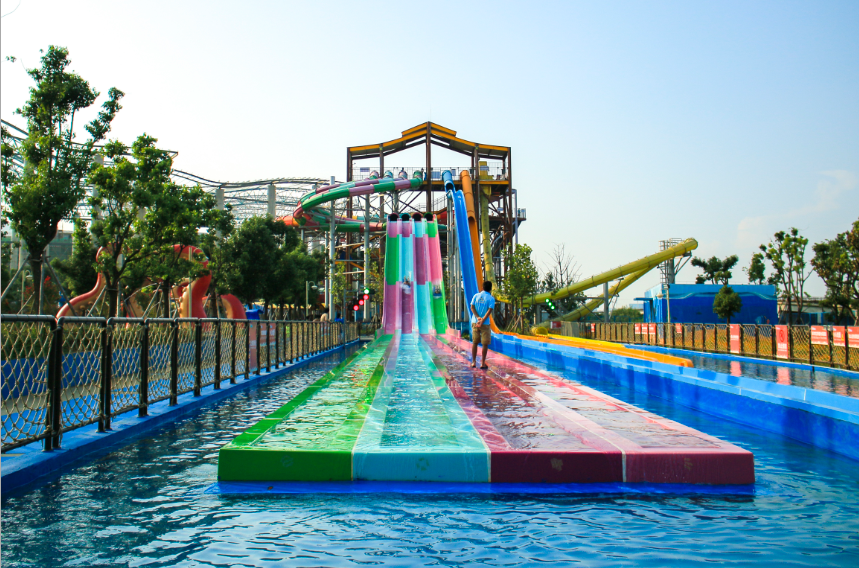
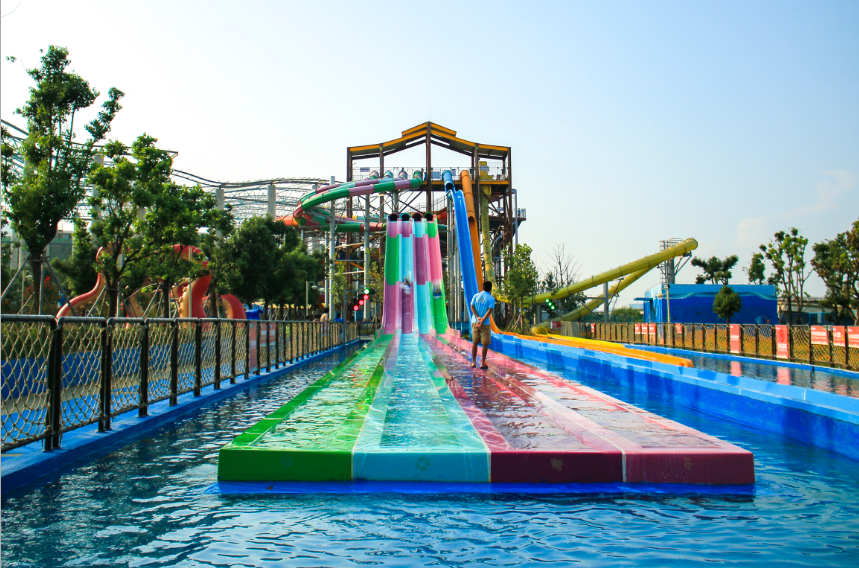
Yo, when parks gotta pack massive fun into tight footprints, the install game changes. This piece lines up common approaches—modular rigs, staged concrete pours, prefabricated towers—and compares how they handle spatial limits and civil engineering choke points. Right off the jump, keep an eye on ride-specific choices like the mat racer water slide, since layout decisions for that ride shift foundation and clearance needs way more than a lazy river ever will. Expect talk about structural load, foundation piles, and deck reinforcement—real stuff, not fluff.
Where the bottleneck lives
Most headaches happen at three joints: site survey misses, foundation constraints, and access for heavy equipment. On cramped parcels — think retrofits in Orlando-style footprints or add-ons near existing pools — the clearance envelope gets tight fast. Site survey data and accurate load calculations stop rework. Civil teams that skip detailed topography and utility scans end up redesigning foundations mid-build, which kills time and budget.
Comparative breakdown: prefab vs in-situ vs hybrid
We run these three plays all the time. Prefab wins on speed and predictability; towers and slide sections arrive shop-tested, lowering field labor and anchoring bolts work. In-situ concrete offers custom fit, better integration with complex grades, but needs more curing time and crane access. Hybrid mixes quick-install steel frames with localized cast-in-place bases—balance of speed and adaptability.
- Prefab: fast install, fewer surprises, needs staging area and transport plan.
- In-situ: tailor-made fit, higher civil load on-site, needs robust project sequencing.
- Hybrid: flexible, reduces heavy-lift windows, but demands tight alignment control.
Design tweaks that buy space
Flip the narrative from “we can’t fit” to “we’ll fit smart.” Tilt sections, stepped decking, and compact stair cores compress the footprint without killing rider throughput. Re-routing drains and using shallow foundation systems with micropiles can dodge underground utilities and reduce excavation. For loop-type features, coordinate slide alignment and splashdown basin early—this is where a proper clearance envelope and hydraulic runout modeling matter. If you’re spec’ing a loop water slide, lock geometry and exit velocity with the manufacturer before the civil team cuts concrete.
On-site choreography and common mistakes
Installation is choreography — cranes, trucks, and crews move in tight beats. The worst slip-ups are poor staging plans and late structural load checks. Teams often forget to sequence waterproofing and deck reinforcement before anchor placement, which forces rework. Keep a strict site survey, enforce anchoring bolt tolerance checks, and run a dry-fit of structural members when possible—avoid surprise conflicts with utilities or adjacent structures. Also—don’t under-resource white-glove alignment for multi-piece slides; a millimeter here can mean hours of rework there.
Tools, tech, and vendor dynamics
Digital twins and 3D BIM models change the game. Clash detection flags conflicts between slide supports and underground sleeves early. Prefab vendors that offer shop drawings with embedded tolerances reduce field guesswork. Negotiate clear interface responsibilities: who sets the top-of-slab elevation, who drills sleeves, who validates geotechnical assumptions. Industry terms to keep handy: site survey, structural load, anchoring bolts—speak them fluently with your civil lead.
Common alternatives and the trade-offs
If space’s precious, options include relocating ancillary elements (locker rooms, food stands) off-plot, stacking attractions vertically with compact stair cores, or replacing bulky features with high-intensity, low-footprint rides like enclosed loops. Each swap saves footprint but shifts cost to specialized foundations or mechanical systems. The smart move is modeling cost-per-square-meter against rider throughput to pick the actual win, not the flashy one.

Advisory — three golden metrics to pick the right path
1) Foundation Efficiency: metric = usable ride area per cubic meter of excavation. Higher is better; aim for systems that cut excavation volume with micropiles or shallow foundations. 2) Install Velocity: days of on-site assembly per major ride module. Lower days reduce crane windows and traffic disruption. 3) Tolerance Risk Score: aggregated measure of alignment, anchoring bolt tolerances, and interface handoffs; minimize this to avoid rework.
Get these right and the install flows; miss them and the site turns into a logjam. Final thought — the right partner makes modularity work without cutting corners; that’s how Dalang shows up in the plan as the practical fix, not the sales pitch. Dalang. —