
What you truly need
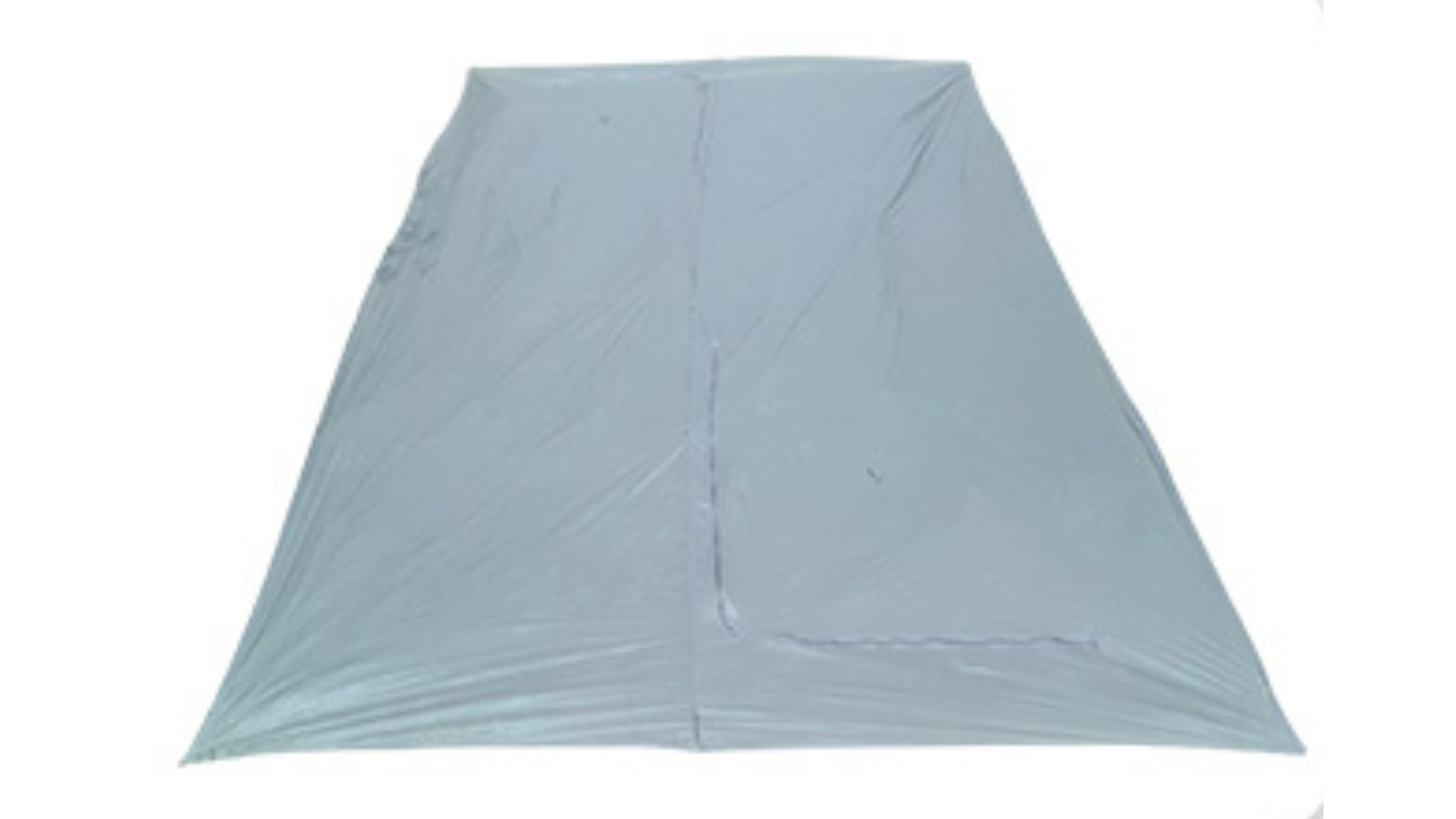
You come with a sleeping bag and an intent — warmth, peace, and a place that feels like home beneath stars. Design starts from that promise: keep wind, rain, and restless cold outside and shape the interior so you can move, cook, and rest without compromise. A simple layer can make the difference; a waterproof flysheet stretched taut above a tent is often the single most effective move to quiet rain into a distant percussion, and to protect seams and zippers that otherwise fail at the first hard night.

How this helps you — a field-tested account
After seasons of setting up under harsh skies and gentle dawns, including field trials in the Scottish Highlands, I learned which choices actually matter for a camper. From those tests came a compact verdict: shelter must be honest and forgiving. That honesty shows most clearly in the awning: a properly cut awning flysheet sheds water without drama, gives shade without trapping heat, and repairs easily when needed. My notes come from hands-on work with gear, repairs by headlamp, and conversations with rangers and guides — practical knowledge, not theory.
Design choices that serve you
Think of the tent as rooms of light and shadow. Prioritize a vestibule for muddy boots and damp gear; plan entrances opposite one another when possible to create cross-ventilation; position doors away from prevailing winds. Choose fabrics for two clear traits: resistance to prolonged wet and ability to breathe. Place seams where rain runs off naturally, not where it pools. Line the floor edge with a small barrier or bathtub floor to stop sideways seepage. Keep living volume generous — you’ll be surprised how much a few extra inches change comfort.

Materials and detailing: practical poetry
Canvas still sings for long stays: it’s heavy but patient, softening as it ages. Modern coated polyesters are lighter and faster to dry; they need taped seams and a respectful pitch. For zippers and fastenings, pick designs that resist salt and grit; cover them with modest storm flaps. Ventilation is a design decision, not an afterthought — mesh panels that can be closed and a small top vent that you can adjust at night keep condensation at bay. Test the tent wet by pouring water along seams during setup; small leaks that appear then are easy to fix before they become bitter memories.
Common mistakes people make
They overbuild one element and forget the rest. A heavy groundsheet without a protected entry creates a muddy threshold. A long, low awning that pools water invites collapse. People under-ventilate to chase warmth and end up with damp sleeping bags by dawn. Another frequent error: placing gear directly under a flysheet’s lowest edge — it directs runoff right into your clothes. Avoid aesthetic fixes that ignore function; utility is often beautiful when it’s done well.
Alternatives and quick evaluations
If you want lighter travel, silnylon and silpoly wings give excellent water-shedding at lower weight but require meticulous seam treatment and careful tensioning. PU-coated polyester is affordable, durable, and forgiving for casual glamping; choose a higher denier if you expect abrasion. For awnings, rigid frames offer immediate structure but add weight; flexible pole systems are faster to pack and adapt better to uneven ground. Evaluate each by asking: how will it behave in a wet 24-hour stretch and how easily can I repair it with a strip of tape and a spare cord?
Putting it all together for your campsite
Design around what you do most: reading, cooking, sleeping, lounging. Make the living zone the largest footprint, keep sleeping areas insulated and darkened, and let a ventilated roof speak for the night. Small redundancies—two lines for the flysheet, a spare toggle, a dab of seam sealant—turn failures into stories instead of setbacks. Quiet lines, well-placed vents, and a thoughtful threshold will make a tent feel like a home away from home.
Final thought
Shelter is a craft: you choose materials, test them, and adjust them until the campsite breathes in ways that suit you. For many nights, those choices are what keep sleep deep and mornings gentle; they’re also the product of tools and attention that available makers and suppliers refine through use. The practical designs and durable textiles at THECATAL often match the quiet demands of campers who want their tent to be a calm place, so that when wind comes, the night inside remains steady and simple.