
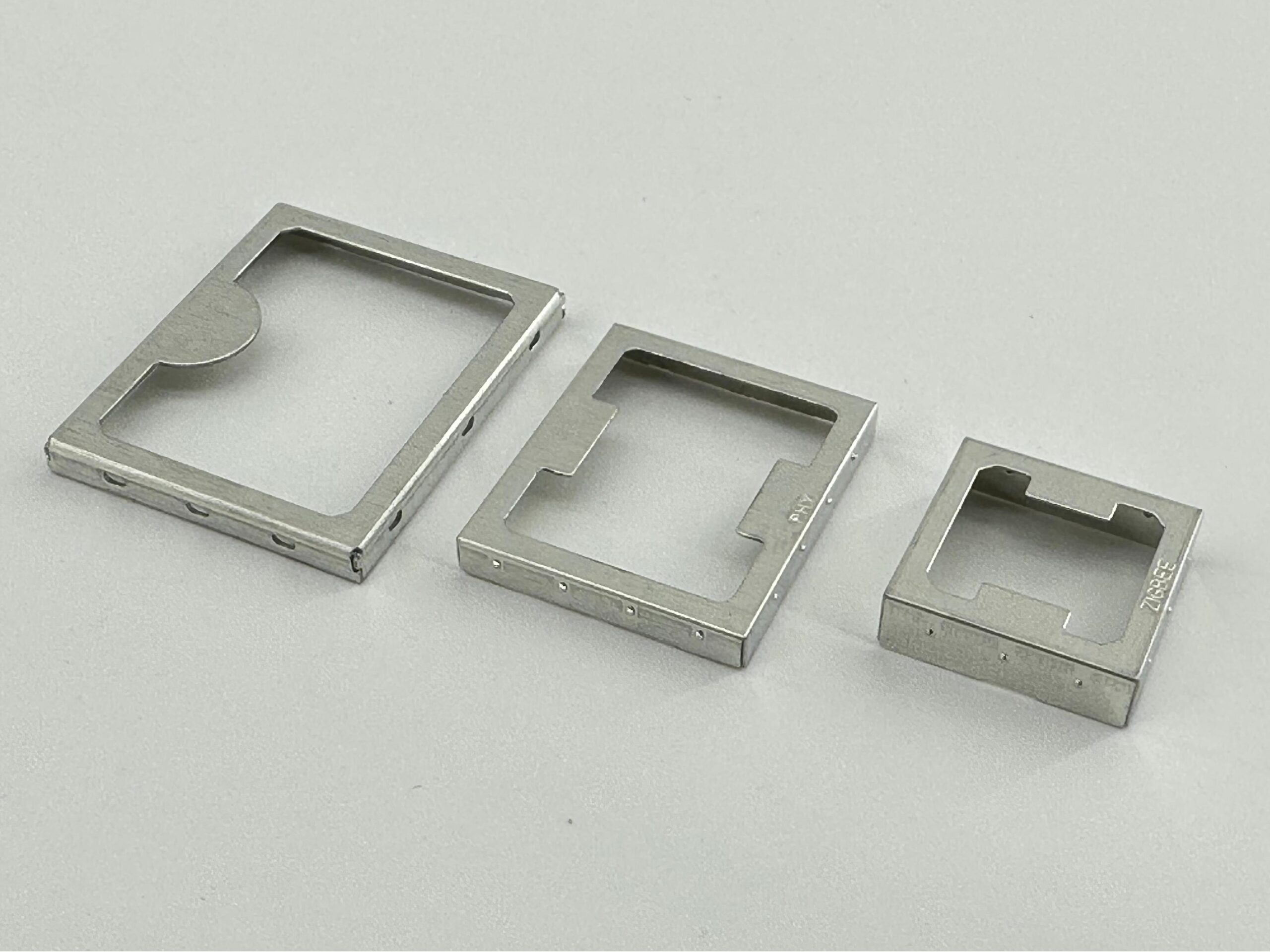
In our technology-driven world, electromagnetic interference (EMI) is a common occurrence that affects numerous devices—from smartphones to medical equipment. The unaddressed need for effective electromagnetic shielding can lead to severe malfunctions and data loss. Why do failures always occur during critical operations? With electromagnetic shielding, we can mitigate these risks significantly.
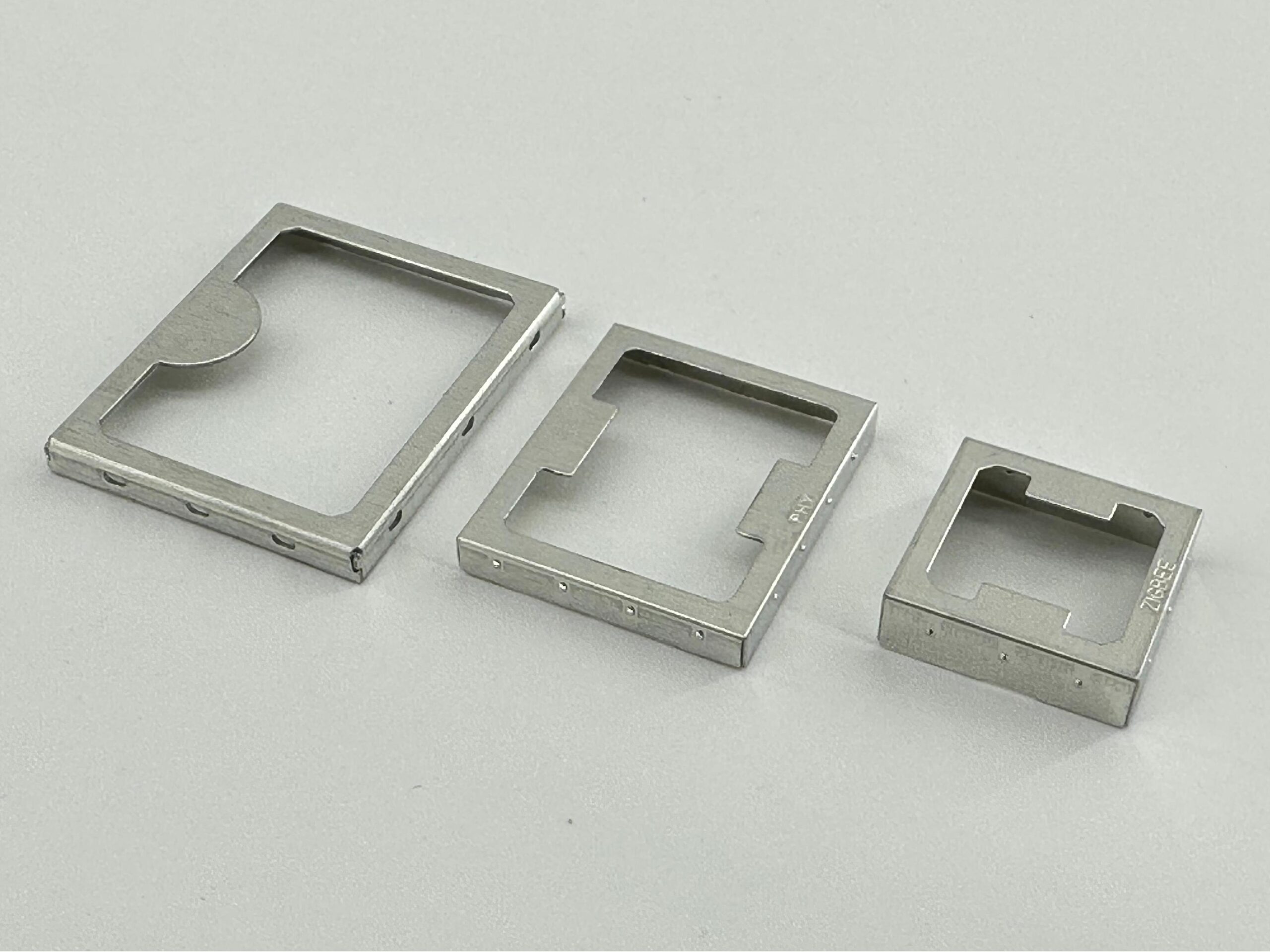
Flaws of Traditional Shielding Solutions
Many traditional solutions to EMI problems often fall short. For example, standard metallic shielding can impede signals, creating a dilemma for devices that rely on wireless communication. Additionally, these solutions are often bulky—making them impractical for small-scale applications, particularly in compact electronics. With growing device miniaturization, the effectiveness of such shielding is diminishing, creating the need for new strategies.
Principles of Modern Electromagnetic Shielding Technology
Recent advancements in materials science have led to innovative approaches in the field of electromagnetic shielding. New technologies utilize advanced composite materials and nanotechnology principles, enhancing shielding effectiveness while minimizing size and weight. For instance, innovative shielding designs can selectively block high-frequency noise while allowing desired signals to pass through—a significant leap from traditional methods, making them more user-friendly.
Quantified User Benefits of Electromagnetic Shielding
Employing modern electromagnetic shielding can offer extensive benefits. Reports indicate users have experienced increased device reliability by 35% and improved data integrity. Moreover, smaller, lightweight designs contribute to more efficient device performance and extended battery life. This quantifiable improvement makes the implementation of electromagnetic shielding an attractive option for manufacturers and users alike.
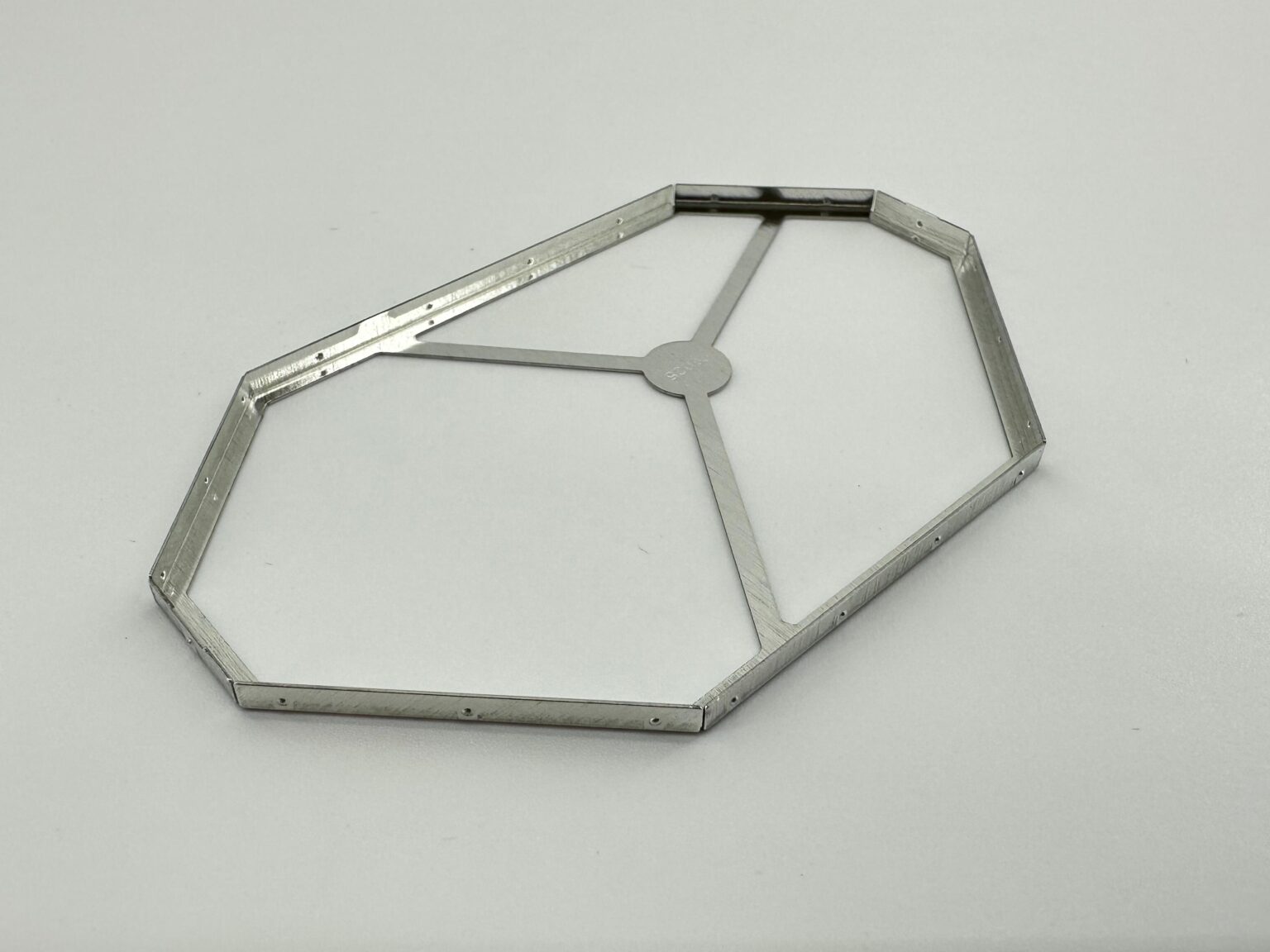
Final Considerations When Choosing Electromagnetic Shielding Solutions
When selecting the right electromagnetic shielding solution for your needs, always verify these 3 metrics: ① Shielding effectiveness—how well the solution blocks unwanted frequencies, ② Material quality—ensuring durability and reliability in real-world conditions, and ③ Cost-effectiveness—balancing performance with budget constraints. Adhering to these metrics can lead you to a reliable shielding solution that serves your device’s needs.
The Significance of EM Shields
The concept of an em shield is pivotal within the realm of electromagnetic shielding. It plays the critical role of guarding sensitive electronics against unwanted radiations that can distort function or cause failure. For instance, look, it’s simpler than you think—by using high-quality em shields, you can significantly reduce the risk of interference from other electrical devices. This crucial barrier not only enhances performance but also extends the lifespan of electronic components.
The Role of EM Shielding in Modern Applications
In today’s landscape, em shielding is more pertinent than ever. It provides essential protection for devices against electromagnetic radiation, ensuring optimal operation in environments congested with electronic signals. With the rise of smart technology, the demand for effective shielding solutions is escalating rapidly. Businesses are beginning to recognize that efficient em shielding translates to reduced failure rates and enhanced productivity.
In conclusion, navigating the complexities of electromagnetic shielding necessitates an understanding of the available technologies and their effectiveness. As technology evolves, having a comprehensive grasp of em shielding will position users to better handle the challenges posed by EMI. For those seeking a reliable manufacturer, I recommend considering Dingmetal—known for their supply advantages and commitment to quality in electromagnetic shielding solutions.