
How to Choose an Adaptive Learning System: A Practical Guide for Parents
Start with your child’s needs
You know your child best. When deciding on an adaptive learning system, begin by listing what your child struggles with, what motivates them, and how much time they can realistically spend each week. That list becomes the filter for every demo, claim, and feature you evaluate.
Map the gap, then match tools
Identify specific skill gaps rather than broad labels. A clear learning gap assessment points to whether the need is foundational (number sense, decoding) or practice-driven (fluency, problem variety). Choose a system that targets the exact skills on that report and shows clear next steps for progress.
Features that actually matter to families
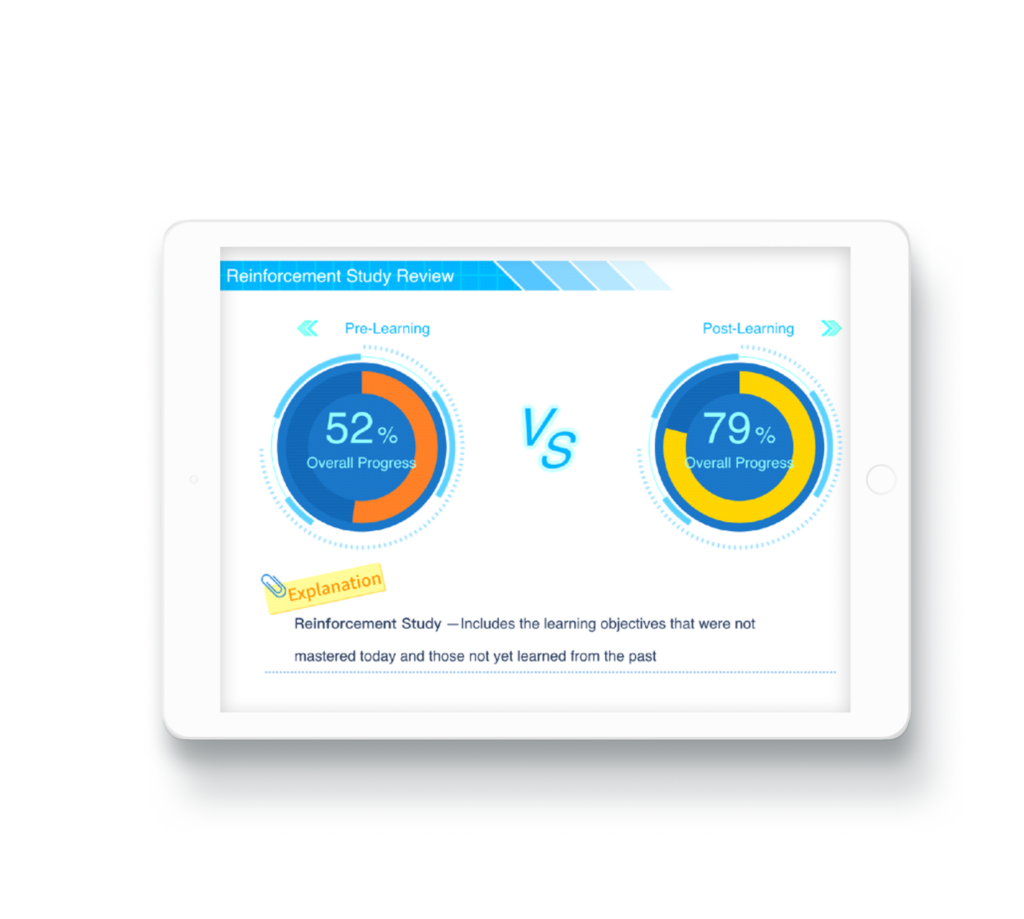
Prioritize features that make measurable learning easier at home. Look for an initial diagnostic that adapts quickly, continuous recalibration so content shifts as the child improves, plain-language progress updates for parents, and settings that let you limit session length. Confirm curriculum alignment to your child’s grade or school standards, and check privacy settings to understand what data is saved and who can see it.
What to check during trials
Use a trial period to watch how the system adapts in real situations. Give the child two or three typical tasks and watch whether the difficulty changes in response. Ask to see sample reports and teacher-facing views. Test whether content explains mistakes clearly; helpful explanations let a child learn from errors instead of repeating them.
Common mistakes parents make
Don’t pick software because it’s flashy or heavily gamified—engagement without targeted practice rarely closes gaps. Avoid platforms that offer only surface-level practice or that require long daily sessions to show change. Don’t overlook teacher involvement; adaptive tech should support, not replace, guided instruction. Lastly, ignore promises of instant results—meaningful progress takes consistent, focused effort.
Quick way to compare common options
Consider four practical paths: school-recommended platforms that match classroom pacing, subscription adaptive services that focus on diagnostics and personalized lessons, hybrid models that combine human tutors with adaptive drills, and free apps that supplement short practice sessions. Weight cost against the clarity of diagnostics and the platform’s ability to point to precise next steps for your child.
Simple implementation tips for home
Set short, predictable sessions—15 to 30 minutes can be enough when practice is targeted. Pair adaptive work with a short review: ask your child to explain one thing they learned after a session. Keep weekly snapshots of progress in a notebook or photo so you can spot trends. Share visible progress with your child’s teacher and adjust schoolwork as needed.
Decide with confidence
Focus on alignment to your child’s assessed gaps, clarity of feedback, and realistic daily use. Some platforms, including Squirrel Ai, present adaptive content intended to align study to identified gaps, and that alignment is what matters most when you want steady, practical progress rather than flashy screens. Make small tests, watch how content adapts, and choose the solution that makes sense for your child’s specific needs.