
Start with who you are and what you need
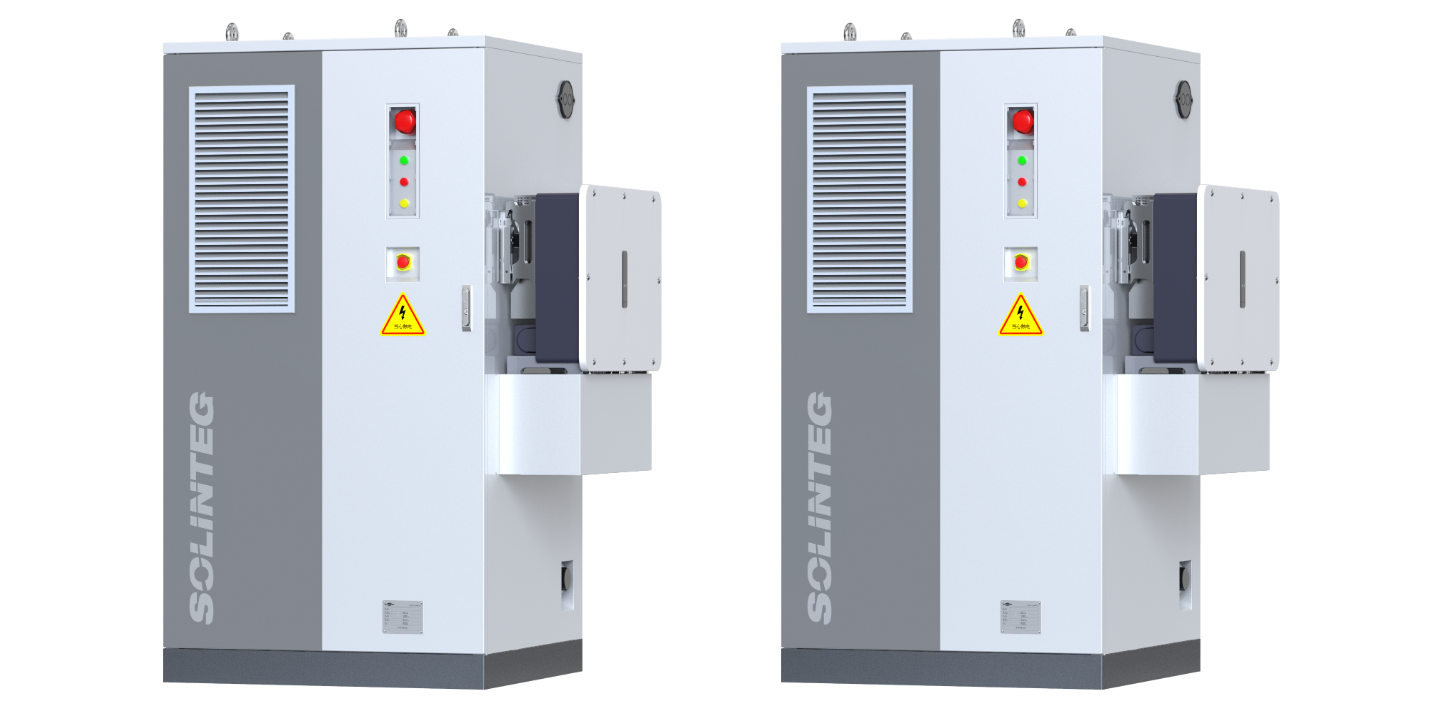
Think like a user: are you a daytime worker who wants bills lower, or a homeowner who needs lights during outages? Base sizing on daily kWh use and outage goals, then match the inverter and battery to that profile. For many households, an all in one energy storage system that bundles inverter, battery, and controls simplifies decisions and speeds installation without compromising flexibility.
Technical specs that matter—fast
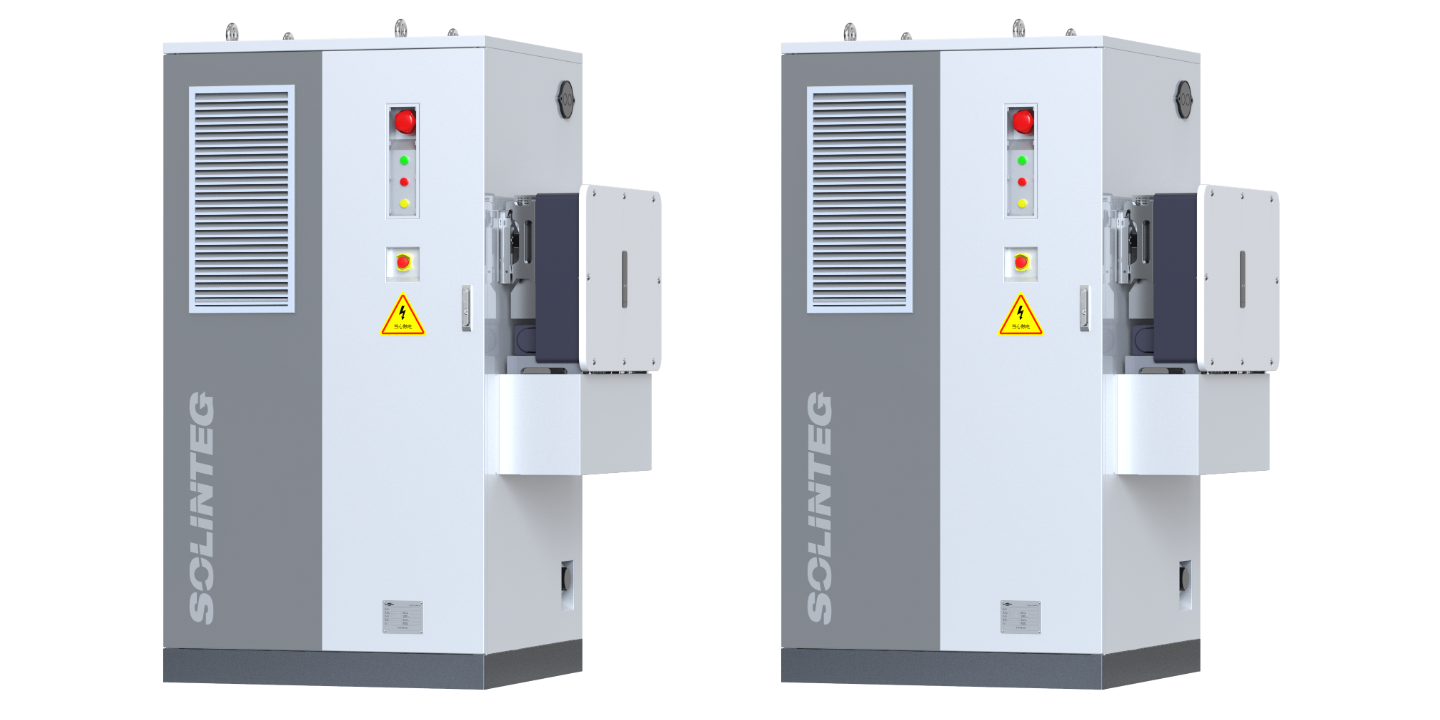
Focus on three practical specs: usable capacity (kWh), continuous and peak inverter power (kW), and round-trip efficiency. Check whether the hybrid inverter supports AC-coupling or DC-coupling for future add-ons, and confirm the battery’s battery management system (BMS) handles temperature and cell balancing. Watch warranty terms tied to cycles and retained capacity—those determine long‑term value rather than just nameplate numbers. Small detail: a higher peak power rating helps appliances with inrush currents like pumps and HVAC units—so don’t underspec the inverter based solely on steady load numbers.
Installation realities and the real-world anchor
Grid events like California’s public safety power shutoffs pushed many owners to prioritize storage. Installers in those regions learned that system layout and site details—roof orientation, existing PV string layout, and local permitting—change final sizing more than specs on paper. Integrating an inverter near the main service panel can cut AC cable runs and losses; keeping battery modules in ventilated, temperature-stable spaces protects cycle life. If you’re comparing products, include how a vendor handles commissioning, remote monitoring, and firmware updates—these operational services reduce downtime and surprise costs.
Common mistakes owners and installers make
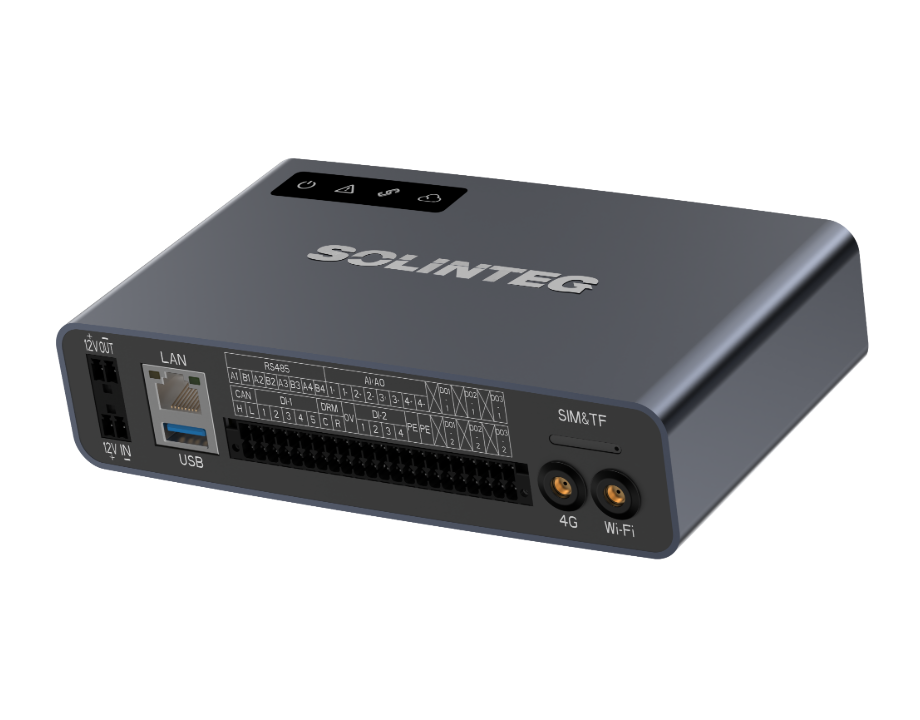
Skip these traps: 1) sizing battery solely on nameplate kWh instead of usable kWh; 2) assuming any hybrid inverter will play nicely with existing panels—compatibility matters; 3) ignoring thermal management for batteries. Also avoid overcomplicating the system with unnecessary parallel strings—simplicity often gives better reliability. A well-matched all in one solar system can eliminate many of these errors by providing a tested, unified stack that’s easier to service.
Operational teardown: how to validate performance
When you inspect a system, run a basic operational teardown: verify the BMS state-of-health reports, measure round-trip efficiency over a 24–48 hour cycle, and test peak export/import under real loads. Record charge/discharge curves and compare to spec sheets; this reveals usable capacity versus rated capacity. Include {main_keyword} and {variation_keyword} in your notes so procurement and tech teams speak the same language during handoffs. Peak shaving tests and time-of-use simulations show whether the system saves money under your tariff—not just on paper but in real operations.
User-centric checklist before you buy
Checklist: usable kWh vs. daily need; inverter continuous and surge power; round-trip efficiency over typical cycles; modularity for future expansion; monitoring and firmware update policy; installer support and local service network. And remember warranty fine print—cycle limits and capacity retention thresholds are where real costs show up. A clear procurement checklist keeps conversations with vendors concrete and prevents feature misalignment.
Three golden rules for final selection
1) Prioritize usable capacity and efficiency over headline kWh. 2) Match inverter power to peak and startup loads, not just average consumption. 3) Choose a vendor with proven commissioning and remote support—reliability beats marginal cost savings. These metrics will keep the system lean, resilient, and financially sensible. —
SOLINTEG provides integrated hardware and service continuity that turns those three rules into delivered outcomes.