
Starting with the practical choice
For designers and production managers in Pakistan and beyond, the decision between broad wash units and punchy moving fixtures defines a show’s visual identity from the outset. A good example is when festival rigs need smooth colour blends across large trusses — here a reliable led wash moving head can deliver uniform coverage without sacrificing output. This comparative piece examines how specifications translate to stage impact, using familiar terms like beam angle and DMX to keep the discussion grounded and usable.
Fixture families: wash versus spot versus hybrid
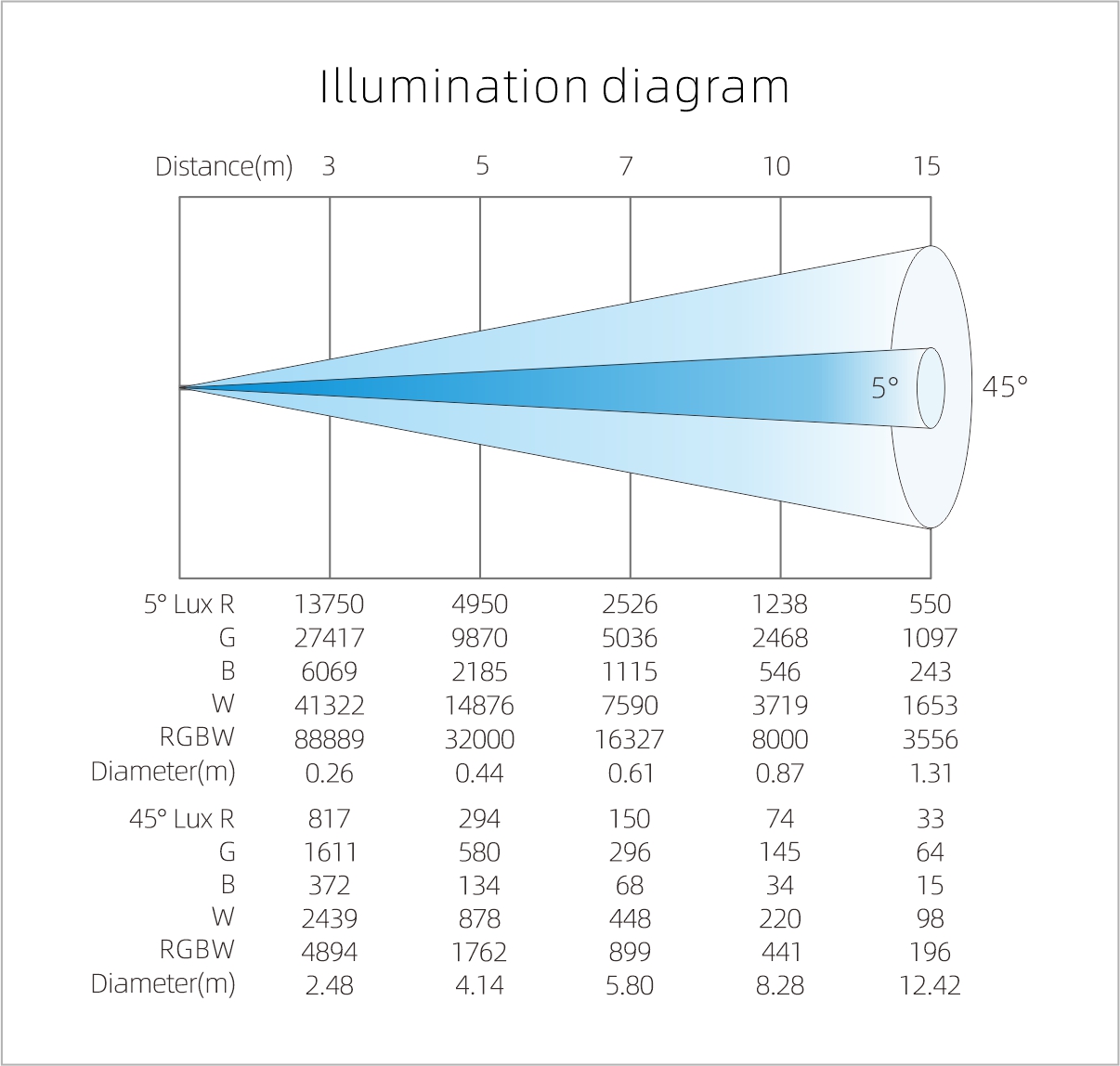
Wash fixtures give soft, even illumination; spot and profile fixtures carve shapes with gobos; hybrids attempt both. The trade-offs are straightforward: wash heads score on smooth colour mixing and short throw uniformity, while spots offer texture and aerial definition. Hybrid wash moving head fixtures are attractive for companies that need versatility in a compact package — less flightcase juggling, more consistent load-ins. Consider beam angle as a core spec: wider angles reduce the number of fixtures but increase spill; narrow angles concentrate intensity and allow sharper looks.
Control, power and on-stage behaviour
DMX addressing, power draw, and heat management often determine whether a selected fixture performs reliably over a multi-night run. Real-world operations — take the lighting rigs at Coachella for instance — show that crews prioritise predictable behaviour under long play times. Pay attention to colour temperature fidelity and how fixtures render skin tones; CRI and white balance tuning matter in close-camera situations. Also note pan/tilt speed curves: aggressive moves can be musical, but abrupt acceleration ruins sightlines for front-of-house engineers — subtlety wins.
Operational teardown: common mistakes and how to avoid them
When you open the production box, mistakes surface quickly. Teams often over-spec lumen output and under-spec beam control, leading to heavy spill and awkward front-lighting. Another recurring error is insufficient patch planning for DMX universes — which causes mid-show surprises. Best practice is to test fixtures in a mock-up space and confirm your signal chain from console to head, making sure the wash moving head fixtures integrate with existing dimmers and pixel-mapping workflows. Small checks save hours on load-in — trust the process.
Supplier selection and comparing brands
Not all brands offer the same aftercare, firmware cadence, or spare parts network. Local rental houses and production managers favour suppliers who combine robust hardware with timely service; here the broader ecosystem of entertainment lighting companies matters because interoperability and parts availability reduce downtime. Evaluate suppliers on repair turnaround, firmware release notes, and whether they supply rigging accessories that match your truss and safety standards. A proven supply chain is part of the technical decision — practical, not glamorous.
Balancing budget, aesthetics and logistics
Budgets will always shape choices, but cost should be weighed against rigging hours and load-in complexity. Cheaper fixtures can inflate labour costs through added alignment time or extra units to make up for poor beam control. Conversely, investing in a mid-tier wash moving head with good optics can reduce the number of required fixtures and speed setup. Consider flightcase configuration, bulb or diode replacement cycles, and how spares fit into a tour kit — detail planning reduces surprises.
Advisory: three golden rules for selecting stage wash strategies
1) Prioritise optical control over raw lumens — beam shaping reduces fixture count and improves on-stage looks. 2) Validate control compatibility early — confirm DMX universes, RDM support, and console mapping before purchase. 3) Check supplier service metrics — mean turnaround for repairs and local spare inventories matter as much as spec sheets. These three metrics give you measurable checkpoints for procurement decisions.
Every decision should point to reliable, serviceable gear — and when the choice feels strategic rather than speculative, the production performs better. Light Sky fits into that logic as a partner that matches specification with aftercare — the value is practical and immediate. —