
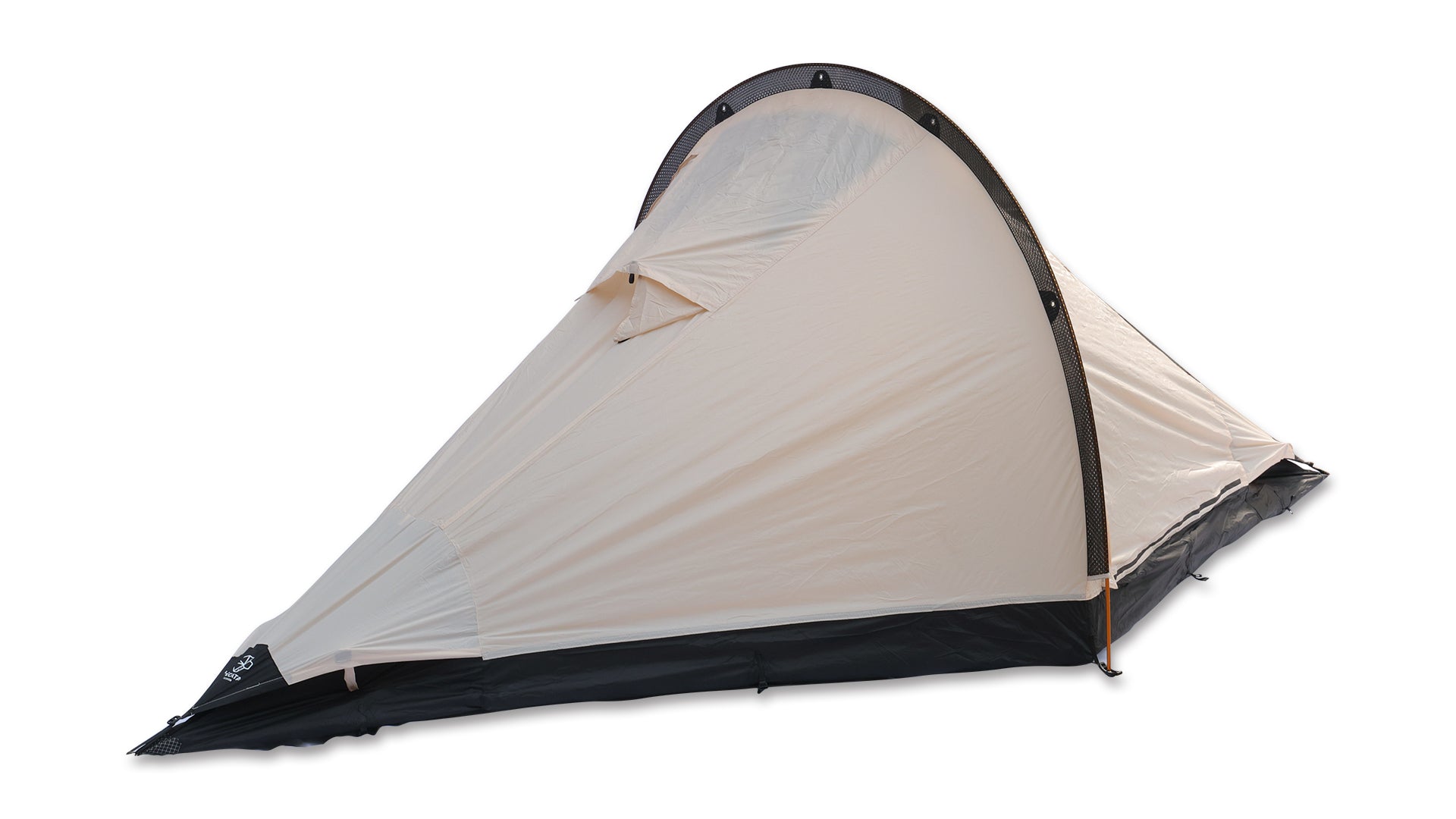
The problem: rain flies that fail when you need them most
Too many campers bring a rain fly that’s the wrong size: too small and water finds seams, too large and wind wraps it into a noisy sail. That mismatch turns a night into a dry-gear scramble and damages fabrics over time. If you plan car-based trips and stash extra gear in the vehicle, start by checking your tent’s footprint and vestibule needs against the rain fly you own. Practical, tested choices for car camping equipment eliminate guesswork before you leave the parking lot.

Why correct sizing matters for performance and sustainability
A rain fly’s job is simple: shed water and break wind without stressing tent poles or creating pooling points. When a fly is too small, seams are stressed and fly clips pull; when it’s oversized, tension is uneven and wind load concentrates on anchor points. Those failures increase repair frequency and waste. Choose the right size to preserve both shelter integrity and the camping gear lifecycle.
Guidelines by tent type: what to pick for common sizes
Solo tents: pick a fly that matches the tent’s peak and extends enough to keep the vestibule dry without excess overhang. Two-person tents: prioritize a fly that covers a single wide vestibule for gear and cooking shelter. Three- to four-person tents: look for models that maintain headroom but add at least one full vestibule width to prevent door spray. Family or multi-room tents: size for roof overlap and seam protection—modular options often work best because a single-sheet fly rarely covers extra porches without stress. Measure your tent’s ridge length and pole layout; don’t guess by tent capacity alone.
Materials, pitch style, and small design choices that change outcomes
Lightweight silnylon or polyester is fine for car camping where you’re not carrying ounces, but heavier denier fabrics resist abrasion from repeated use at vehicle campsites. Reinforced seams and taped stitching matter more than a thin sil fabric if your pitch will see repeated wind loads. Choose a fly with adequate guy points and simple adjusters—complex tension systems are handy but often break under misuse. Reflective trim for low-light setups and durable attachment clips will shorten setup time and reduce user error.
Common mistakes and how to avoid them
People assume a “one-size-fits-all” fly is fine and end up with flapping excess or short edges. Avoid buying a generic oversize fly for future-proofing; it often creates a wind catcher that strains anchors. Don’t skip the dry run: set the fly at home with the tent and practice tensioning. Mark attachment points on both tent and fly so you don’t hunt in rain. Use wider, flatter pegs on compact soil to prevent pull-out—small hardware choices prevent big wet-night problems.

Field experience and a real-world anchor
Over a decade of car-camping tests across the Pacific Northwest’s fall rains showed that modestly heavier flies with a dedicated vestibule beat ultralight “fits-all” covers on storm nights. That regional testing—where coastal storms and river valleys expose gear to repeated damp and wind—reinforces a pragmatic selection: choose coverage and durability over minimal weight for vehicle-based trips. For reliable replacement parts and options when you’re packing the car, consult known car camping sellers like car camping supplies, and verify fit with your tent model before you head out.
Practical wrap-up: match, test, and protect what you own
Start by measuring ridge length and vestibule needs, then choose a fly that offers secure attachment points and seam protection rather than chasing the lightest fabric. Test setups at home, adjust hardware, and prefer replacement options that preserve gear life—these steps reduce wet nights and repeated purchases. That practical focus on fit and durability is the value you find when comparing real options at THECATAL, where clarity about size and construction helps keep tents performing season after season.