

Introduction: The Moment, the Numbers, the Why
You’re rushing out the door, keys in one hand, gloss in the other. You reach for a clear lip gloss tube—maybe a china clear lip gloss tube from a favorite supplier—and twist the cap with a quick flick. A tiny smear lands where it shouldn’t, and the wand feels a touch wetter than you recall. Small mess, big energy drain. In many wear tests, micro-leaks show up after repeated open–close cycles, and returns spike after travel or heat stress. We measure these things because design has ripple effects (on mood, on waste, on trust). So here’s the deeper question: what if the tube could meet you where you are—steady, predictive, almost thoughtful?
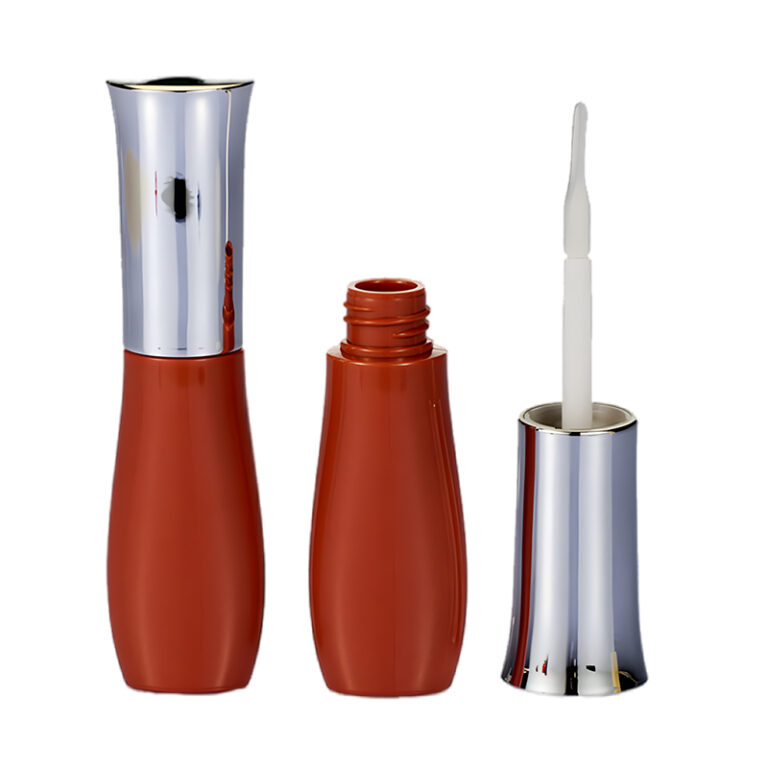
Packaging looks simple. It isn’t. Viscosity changes with season, torque shifts with grip, and a wiper set a hair too tight creates drag you feel at the mirror. A cap thread off by a fraction raises leak risk over weeks. And yes, it sneaks up on you. The everyday scene tells the story, but the data tells the cause. Let’s move to the point where the friction starts—and how to spot it before it shows up on your sleeve.
Under the Surface: The Hidden Flaws in “Good Enough” Designs
Where do leaks really start?
Look, it’s simpler than you think—and more exact. A typical china clear lip gloss tube depends on four details lining up: wiper geometry, stem finish, thread tolerance, and cap torque. When the inner wiper is too tight, it shears product, traps bubbles, and makes the first pass patchy. Too loose, and the leak rate rises after vibration or heat. Injection molding leaves faint parting lines; if those aren’t polished well, they nick the stem and drag the wand. Pair that with summer-high viscosity shifts, and you get either starved pay-off or a drippy return. One millimeter in the wrong place and you feel it every morning.
Traditional fixes miss the mark. Thicker walls promise clarity, then haze when oils meet low-grade PET. “Tighten the cap more” sounds right, until over-torque deforms the wiper mouth. A shiny closure looks luxe, yet an anodized aluminum shell over soft PP can hide micro-play. Over time, that play becomes a mess. The quiet culprits are tolerance stacking and material mismatch. PCR PET works well, but only if gate placement and wall uniformity stay consistent. Without ISO 9001 process control and basic drop tests, a good tube in the lab becomes a problem in a warm car. The result is waste, fatigue, and slow brand erosion—because a tiny leak reads as a broken promise.
Comparative Outlook: Smarter Builds, Cleaner Swipes
What’s Next
Progress now comes from small, smart changes that add up. Makers of clear lip gloss wand tubes are shifting to co-molded wipers with micro-lip features that flex, seat, and re-seal. Think of it like a valve. Low-friction stems cut drag; thread pitch is tuned so cap torque lands in a safe window, not a guessing game. New blends of PCR PET and barrier resin improve clarity and resist oil bloom. Inline vision checks catch flash and short shots before packing—funny how that works, right? Together, these tweaks keep pay-off smooth and the tube clean, even after a week in a steamy gym bag.
Here’s the practical way to apply it (and keep it calm, not hype). First, compare design by principle, not by catalog image. Second, test to failure, then to comfort. Third, decide by numbers you can repeat. In brief, three evaluation metrics help: 1) seal integrity under cycle and heat—measure leak rate after 200 open–close cycles and a 50°C hold; 2) material compatibility and clarity—watch for haze or swelling in contact with oils and pigments at 30 days; 3) torque and tolerance—confirm cap-on torque and thread fit sit in a narrow spec, so users don’t have to “muscle” the closure. These aren’t buzzwords; they are simple gates. Meet them, and users feel it at first swipe—steady, clean, satisfying. For teams who care about that daily proof point without the noise, partners like NAVI Packaging keep those checks real and repeatable.